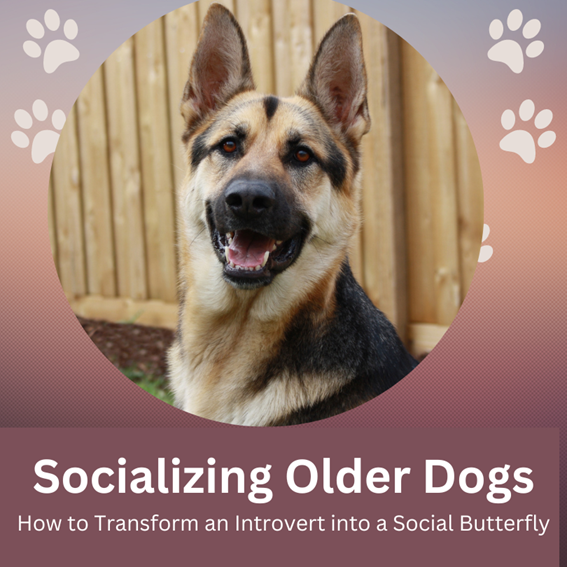
Socializing Older Dogs: How to Transform an Introvert into a Social Butterfly

Socializing Older Dogs: How to Transform an Introvert into a Social Butterfly

Socializing older dogs is essential to ensuring their continued well-being and happiness as they navigate their senior years.

As beloved members of our families, older dogs deserve the same opportunities for social interaction and enrichment as their younger counterparts.

This guide will explore the importance of socialization for older dogs and provide valuable tips and strategies for helping them thrive in social settings.

If you’ve recently welcomed an older dog into your home or have had a faithful companion for years, understanding the benefits of socialization is vital to promoting their overall health and quality of life.

So, join us as we embark on a journey to enhance the social lives of our beloved senior canine companions.
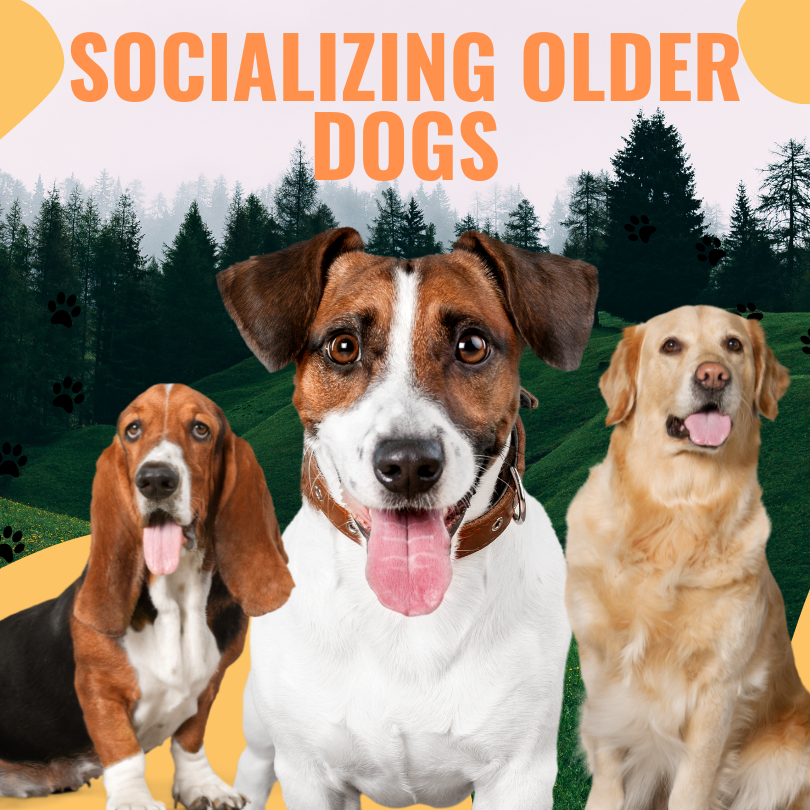
socializing older dogs

Understanding the Importance of Socialization for Older Dogs

Socialization is not just for puppies; it’s an ongoing process that benefits dogs of all ages. For older dogs, socialization plays a crucial role in keeping their mental and emotional health. It helps prevent feelings of isolation and anxiety while keeping their minds sharp and engaged.

The Benefits of Socializing Older Dogs

Socialization offers many benefits for older dogs, including:

Mental Stimulation: Interaction with other dogs and people keeps older dogs mentally stimulated, preventing cognitive decline.

Emotional Well-being: Socialization provides companionship and reduces feelings of loneliness or boredom.

Behavioral Improvement: Proper socialization can help older dogs overcome behavioral issues, such as aggression or fearfulness.

Physical Health: Regular socialization activities, such as walks in the park or playdates, contribute to supporting physical health and mobility.

Tips for Socializing Your Older Dog

Start Slowly and Gradually

When introducing your older dog to new social situations, it’s essential to take things slow. Gradually expose them to new environments, people, and animals, allowing them time to acclimate at their own pace.

Choose Calm and Friendly Settings

Opt for socialization settings that are calm, controlled, and free from overwhelming stimuli. Avoid crowded or noisy places initially, as they may cause stress or anxiety for your older dog.

Use Positive Reinforcement

Reward your older dog with treats, praise, and affection when they exhibit positive behavior during socialization activities. Positive reinforcement encourages them to associate social interactions with pleasant experiences.

Incorporate Regular Socialization Activities

Make socialization a regular part of your older dog’s routine. Schedule walks in the neighborhood, visits to dog-friendly parks, or outings to pet-friendly establishments to provide opportunities for interaction and enrichment.

Supervise Interactions Carefully

Always supervise your older dog’s interactions with other animals and people, especially during the initial stages of socialization. Intervene if any signs of discomfort or aggression arise, and ensure a safe and positive experience for everyone involved.

Be Patient and Understanding

Remember that socialization can be a gradual process for older dogs, particularly if they have had limited exposure to new experiences in the past. Be patient, understanding, and supportive as they navigate unfamiliar situations.

Additional Resources for Socializing Older Dogs

For further guidance on socializing your older dog, consider exploring the following resources:

American Kennel Club (AKC) – Socializing Your Senior Dog

The Senior Dogs Project – Helping Your Older Dog Adjust to a New Home

Conclusion:

Socializing Older Dogs: How to Transform an Introvert into a Social Butterfly

Socializing older dogs is a vital aspect of ensuring their continued well-being and happiness in their senior years.

You must understand the importance of socialization and implementing the right strategies.

Of course, by providing support and patience, you can help your older dog thrive in social settings. Remember to prioritize their comfort and safety while gradually exposing them to new experiences.

With dedication and care, you can enrich your older dog’s life through positive social interactions and companionship.
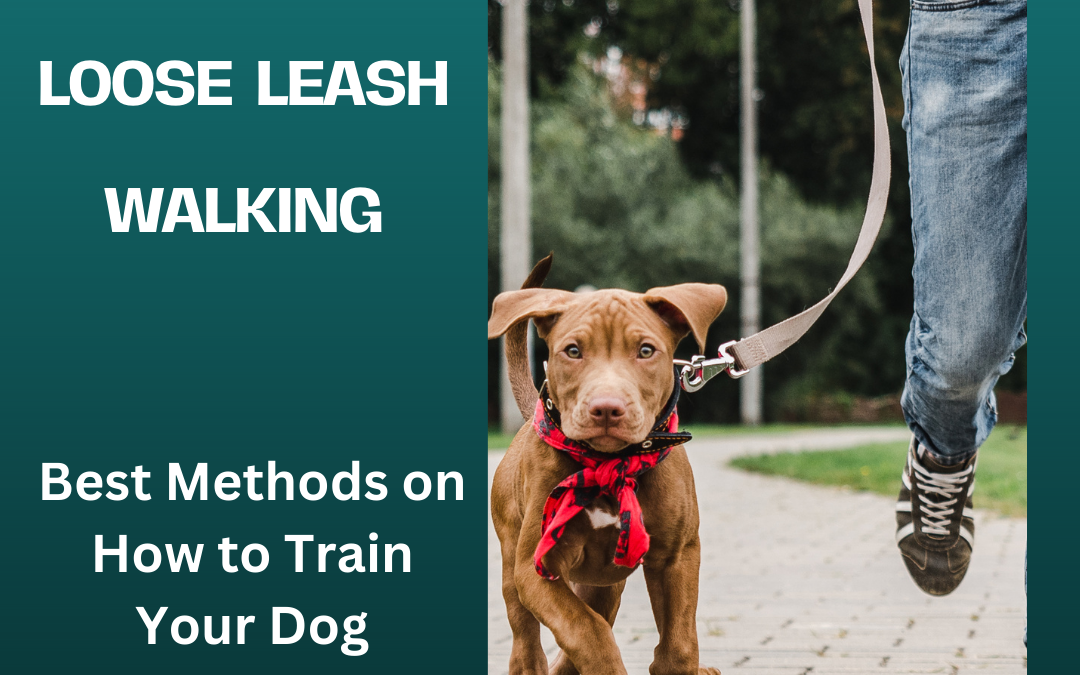
Loose Leash Walking: Best Methods on How to Train Your Dog

Loose Leash Walking: Best Methods on How to Train Your Dog

Loose Leash Walking: Best Methods on How to Train Your Dog

Loose leash walking your dog should be a pleasant experience for both you and your furry friend. However, if your dog pulls on the leash constantly, it can turn a leisurely stroll into a frustrating battle of wills. Loose leash walking is the solution to this common problem. But how exactly do you train your dog to walk politely by your side?

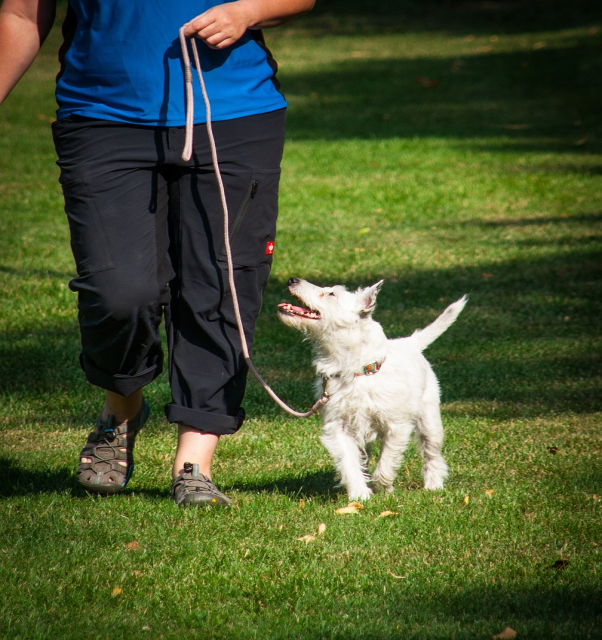
loose leash walking

Understanding Loose Leash Walking

Before diving into training techniques, it’s crucial to understand what loose leash walking entails. Essentially, it means teaching your dog to walk calmly beside you without pulling on the leash. So, this requires teaching your dog to pay attention to you. As well as keep a consistent pace and respond to cues promptly.

Positive Reinforcement: The Key to Success

When it comes to training any behavior, positive reinforcement is paramount. Instead of punishing your dog for pulling, reward them for walking nicely by your side. Use treats, praise, or toys to motivate and reinforce the desired behavior. Dogs thrive on positive feedback.  And they’re more likely to repeat behaviors that result in rewards.

Start in a Distraction-Free Environment with Loose Leash Walking

Again, begin your loose leash walking training in a quiet, familiar environment with few distractions.   This could be your backyard or a quiet street with minimal foot traffic. Above all, starting in a distraction-free zone allows your dog to focus on learning. Thus, without being overwhelmed by external stimuli.

Use Proper Equipment for Loose Leash Walking

Invest in the right equipment to set your dog up for success. Specifically, a well-fitting harness or flat collar and a sturdy leash can make a difference. Avoid retractable leashes, which encourage pulling and can be dangerous in certain situations. Select a standard leash that allows you to keep control. And communicate effectively with your dog.

Practice Consistency and Patience

Consistency is key when it comes to training any new behavior. Loose leash walking is no exception.  Maybe set aside dedicated time each day to work on walking skills with your dog. Even more, keep training sessions short and enjoyable. To keep both you and your dog from getting frustrated.  Remember to be patient; learning takes time, and every dog progresses at its own pace.

Use Verbal and Visual Cues for Loose Leash Walking

First, teach your dog verbal and visual cues to signal when they’re walking nicely beside you. You may want to use phrases like “heel” or “let’s go” consistently during training sessions. It is equally important to supplement these verbal cues with visual cues.  For example, you could make a hand gesture or hold a treat by your side.  Because with practice, your dog will learn to associate these cues with the desired behavior.

Be Prepared for Setbacks

Training a dog to walk politely on a leash is a gradual process, and setbacks are inevitable. After all, your dog may regress or become distracted during training sessions. Especially when exposed to new environments or stimuli.  Stay patient and remain consistent in your approach. So, celebrate small victories and continue to reinforce positive behaviors.

Seek Professional Help if Needed with Loose Leash Walking

If you’re struggling to make progress with loose leash walking, don’t hesitate to seek help. Certainly, from a professional dog trainer.

A certified trainer can assess your dog’s behavior. I will probably find any underlying issues and provide personalized guidance and support. Remember, there’s no shame in asking for help. Sometimes, a fresh perspective can make all the difference.

Conclusion of Loose Leash Walking: Best Methods on How to Train Your Dog

Mastering loose leash walking is achievable with the right techniques and plenty of patience. Specifically, by understanding the principles of positive reinforcement.  Most noteworthy, start in a distraction-free environment. In addition, use proper equipment and maintain consistency.  In that case, you can teach your dog to walk politely by your side. Remember to be patient, stay consistent, and celebrate each small success. With time and dedication, you and your furry companion can enjoy peaceful and enjoyable walks together.

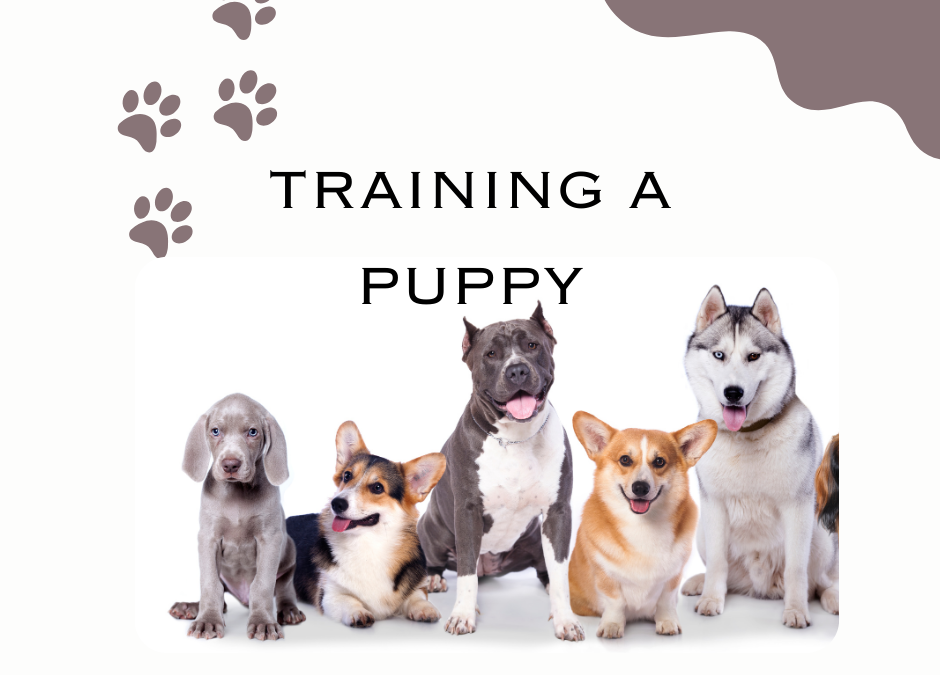
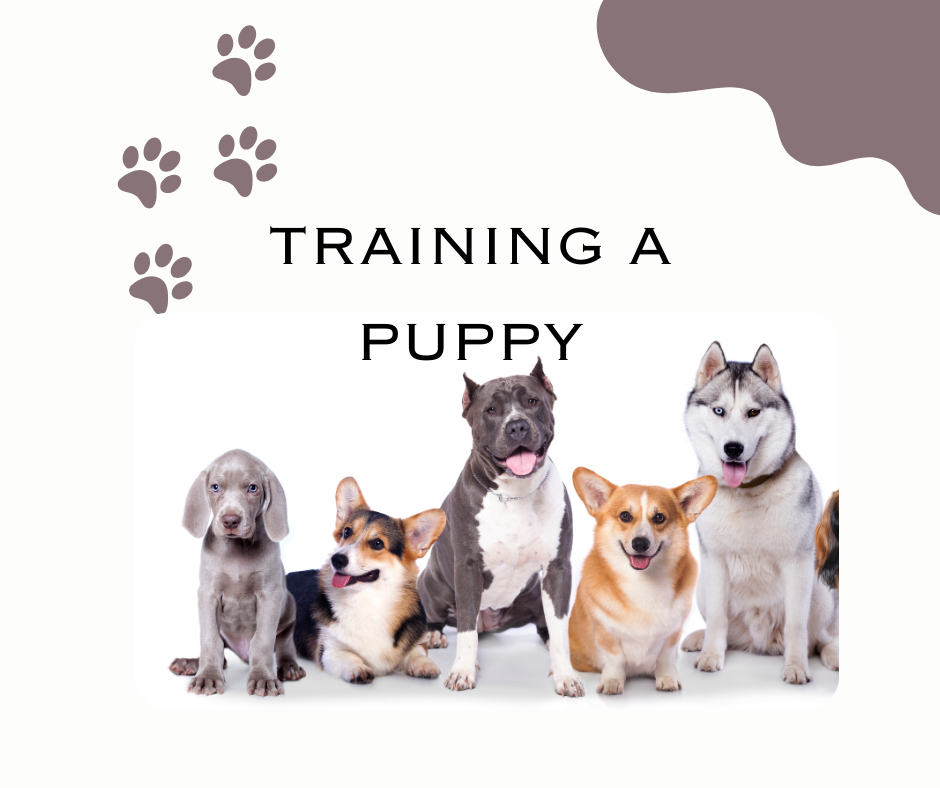
Mastering the Art of Training a Puppy: A Comprehensive Guide

Mastering the Art of Training a Puppy: A Comprehensive Guide

Training a puppy is not just about teaching them tricks.

It is about shaping their behavior, fostering a strong bond, and setting them up for a lifetime of success.

As well as understand the importance of early training. Setting realistic expectations is a crucial foundation for this endeavor.

Training a Puppy: Unleashing the Potential of Your Canine Companion

Training a Puppy: Unleashing the Potential of Your Canine Companion

Embarking on the journey of training a puppy is not just about teaching them tricks.

It is about shaping their behavior, fostering a strong bond, and setting them up for a lifetime of success. As well as understanding the importance of early training.

And setting realistic expectations are crucial foundations for this endeavor.

I. Introduction


    • Understanding the importance of early training

    • Setting realistic expectations for puppy training

    II. Preparing for Puppy Training


      • Creating a conducive environment

      • Gathering necessary supplies

      III. Establishing Basic Commands


        • Teaching sit, stay, and come

        • Introducing leash manners

        IV. Positive Reinforcement Techniques


          • Utilizing treats effectively

          • Implementing clicker training

          V. Socialization and Exposure


            • Exposing the puppy to various environments

            • Encouraging positive interactions with other animals and people

            VI. Handling Behavioral Challenges


              • Addressing biting and mouthing

              • Dealing with separation anxiety

              VII. Advanced Training Techniques


                • Teaching more complex commands like ‘heel’ and ‘leave it’

                • Introducing agility and obedience training

                VIII. Consistency and Patience


                  • Understanding the importance of consistency in training

                  • Practicing patience during the learning process

                  IX. Health and Wellness


                    • Incorporating exercise into the puppy’s routine

                    • Maintaining proper nutrition for optimal growth and development

                    X. Monitoring Progress and Adjusting


                      • Tracking the puppy’s milestones

                      • Making necessary adjustments to training techniques

                      XI. Seeking Professional Help


                        • Knowing when to consult a professional trainer

                        • Finding reputable training classes or programs

                        XII. Integrating Training into Daily Life


                          • Incorporating training sessions into daily routines

                          • Reinforcing good behavior throughout the day

                          XIII. Building a Strong Bond


                            • Fostering a strong bond through training

                            • Understanding the importance of trust and communication

                            XIV. Celebrating Achievements


                              • Acknowledging and celebrating milestones in training

                              • Reinforcing positive behaviors with praise and rewards

                              XV. Conclusion


                                • Reflecting on the journey of puppy training

                                • Embracing the lifelong benefits of a well-trained dog

                                Preparing for Training a Puppy

                                Creating a conducive environment involves removing any potential hazards.

                                And setting up a designated area for training sessions.

                                Gathering necessary supplies, such as treats, a leash, and toys, will ensure smooth training sessions.

                                Establishing Basic Commands

                                Teaching fundamental commands like sit, stay, and come lays the groundwork for more advanced training.

                                Introducing leash manners early on will prevent future pulling behavior during walks.

                                Positive Reinforcement Techniques

                                Utilizing treats as rewards effectively reinforces desired behaviors.

                                While clicker training provides clear communication and instant feedback to the puppy.

                                Socialization and Exposure to Puppy Training

                                Exposing the puppy to various environments.

                                Sounds and experiences from an early age promote confidence and prevent fear-based behaviors.

                                Encouraging positive interactions with other animals and people fosters good social skills.

                                Handling Behavioral Challenges

                                Addressing common challenges such as biting and mouthing requires patience.

                                Also, consistency in redirecting the puppy’s behavior.

                                Dealing with separation anxiety involves gradual desensitization and building independence.

                                Advanced Training Techniques

                                As the puppy progresses, introduce more complex commands.

                                Like ‘heel’ and ‘leave it’ challenges their mental agility and strengthens the bond between owner and pet.

                                So, incorporating agility and obedience training adds variety and fun to the training regimen.

                                Consistency and Patience with Puppy Training

                                It seems like consistency in training methods and expectations is key to helping the puppy.

                                Such as understanding what is expected of them.

                                Practicing patience during the learning process acknowledges that every puppy learns at their own pace.

                                Health and Wellness

                                Certainly, ensuring the puppy receives adequate exercise and nutrition.

                                Above all, support their physical and mental well-being.

                                As a result, they contribute to overall behavior and training success.

                                Monitoring Progress and Adjusting the Puppy Training

                                Again, tracking the puppy’s milestones allows owners to celebrate achievements.

                                And find areas for improvement.

                                Thus, making the necessary adjustments to training techniques ensures continued progress.

                                Seeking Professional Help with Puppy Training

                                Knowing when to seek guidance from a professional trainer can provide valuable insights.

                                And support for addressing specific training challenges.

                                Therefore, find reputable training classes or programs.

                                Even more, it offers structured learning opportunities for both the puppy and its owner.

                                Integrating Training into Daily Life

                                Incorporating training sessions into daily routines reinforces learned behaviors and strengthens the bond between puppy and owner. Consistent reinforcement throughout the day maximizes training effectiveness.

                                Building a Strong Bond

                                Training sessions supply valuable opportunities for bonding.

                                Also, it fosters trust and enhances communication between the puppy and owner.

                                A strong bond forms the foundation for a lifelong partnership.

                                Celebrating Achievements

                                Acknowledging and celebrating milestones in training reinforces positive behaviors.

                                And motivates continued learning.

                                Maybe praise and rewards serve as powerful tools for encouraging desired behaviors.

                                Conclusion of Mastering the Art of Training a Puppy: A Comprehensive Guide

                                Training a puppy is a journey filled with challenges, milestones, and rewards.

                                Certainly, investing time, patience, and love into their training.

                                As a result, owners can unleash the full potential of their canine companion.

                                In that case, enjoy a fulfilling relationship for years to come.

                                F65158EFB2A6F5D2B1849FF9351EFD34