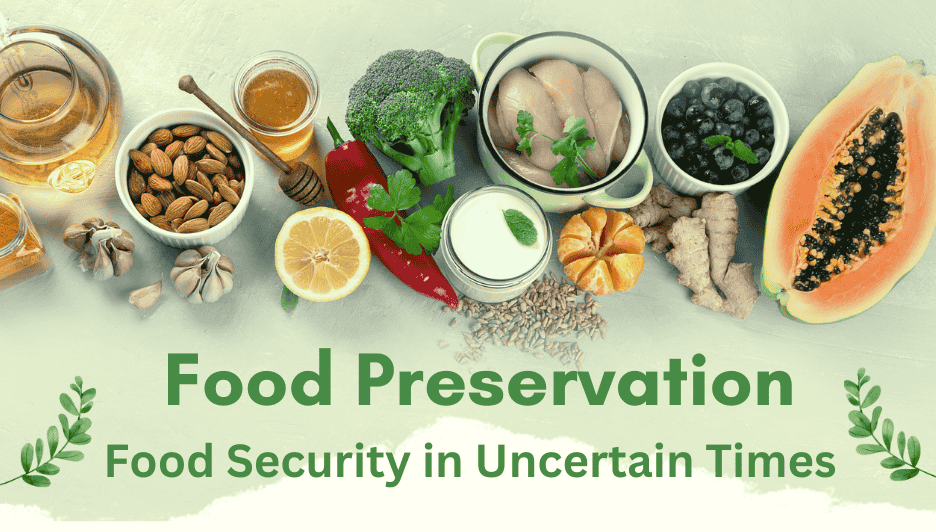
Food Preservation: Food Security in Uncertain Times

Food Preservation: Food Security in Uncertain Times

Food preservation has become a cornerstone of food security in an increasingly unpredictable world.

From natural disasters to economic instability. The ability to store food for extended periods offers peace of mind. And ensures access to nutritious meals even during crises.

No matter, you’re a home gardener, an avid cook, or simply someone who wants to reduce waste and prepare for the unexpected.

Food preservation techniques can be a powerful tool for maintaining self-sufficiency.

This article will explore the most effective methods of preserving food and how they contribute to long-term food security.

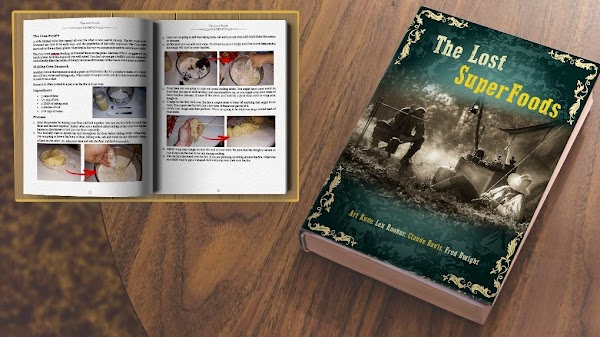
food preservation. survival the lost super foods


Why Food Preservation is Essential

In uncertain times, supply chains may be disrupted. Therefore, leading to shortages of fresh food or increased prices.

Learning and applying food preservation techniques ensures a reliable supply of healthy, home-prepared food in your pantry.

Techniques like freezing, canning, drying, and fermenting food extend its shelf life. This allows families to weather unexpected challenges without compromising on nutrition. And it is especially true for fruits, vegetables, meats, and even dairy products.

Moreover, preserving food can significantly reduce food waste.

Instead of discarding surplus produce or leftovers, preservation methods allow you to store and enjoy them later.

This is especially important for those who grow their food or purchase seasonal produce in bulk.

Key Methods of Food Preservation

There are several methods available to help preserve food. Each has its own benefits, depending on the type of food and the length of time you need to store it. Let’s explore some of the most popular and effective techniques:

Canning Food for Preservation

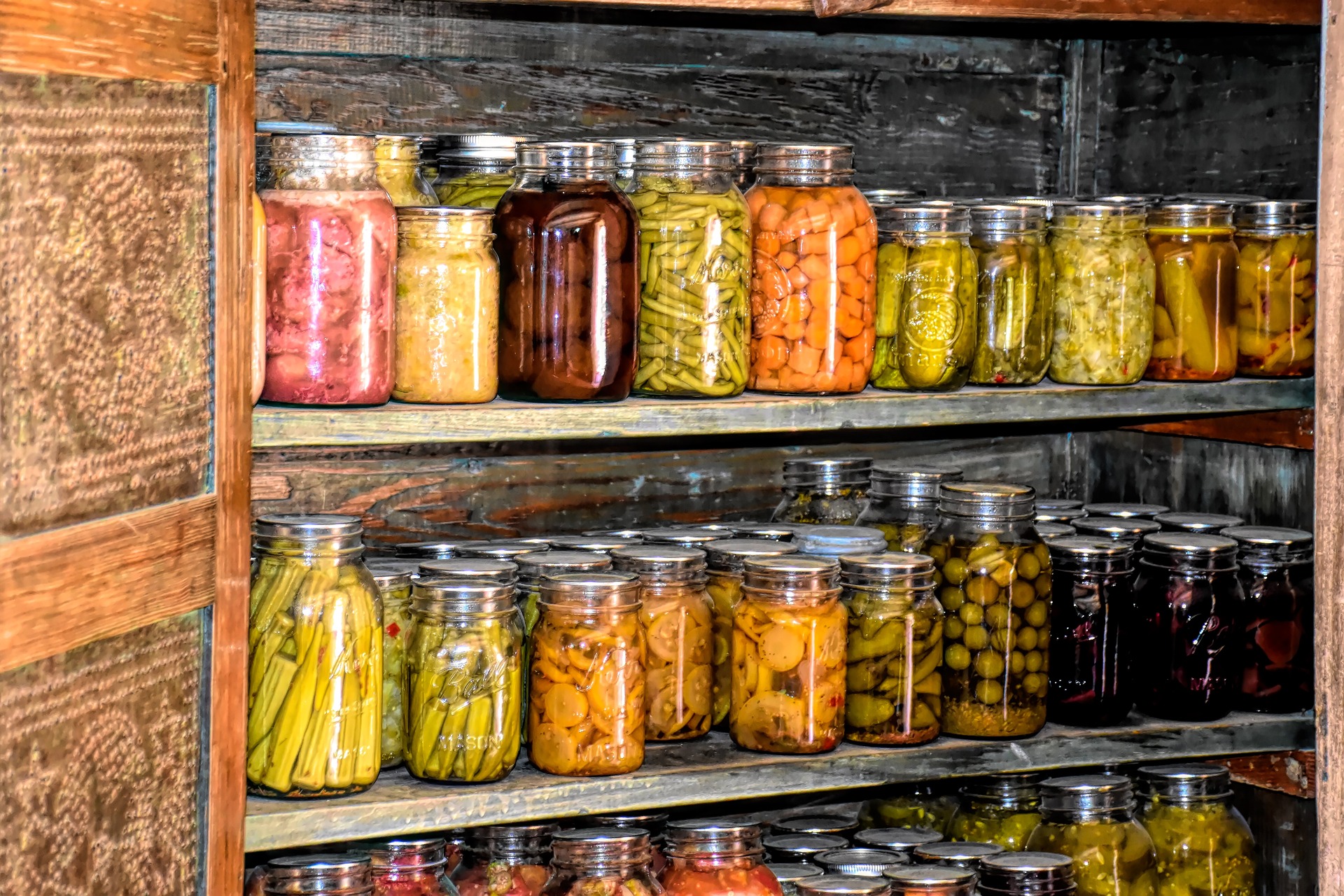
Canning is a traditional method of preserving food that involves sealing it in airtight jars.

There are two primary methods of canning: water bath canning for high-acid foods like tomatoes, fruits, and pickles, and pressure canning for low-acid foods like meats, beans, and vegetables.

Both methods help to kill harmful bacteria, ensuring the food stays safe to eat for months or even years.

Canning is especially popular among gardeners who have an abundance of homegrown vegetables and fruits.

It’s also a great way to store seasonal produce, allowing you to enjoy fresh-tasting fruits and vegetables long after the growing season has ended.

Proper canning techniques are essential to prevent foodborne illnesses like botulism, so always follow established guidelines when canning at home.

food preservation, survival food - emergency food storage

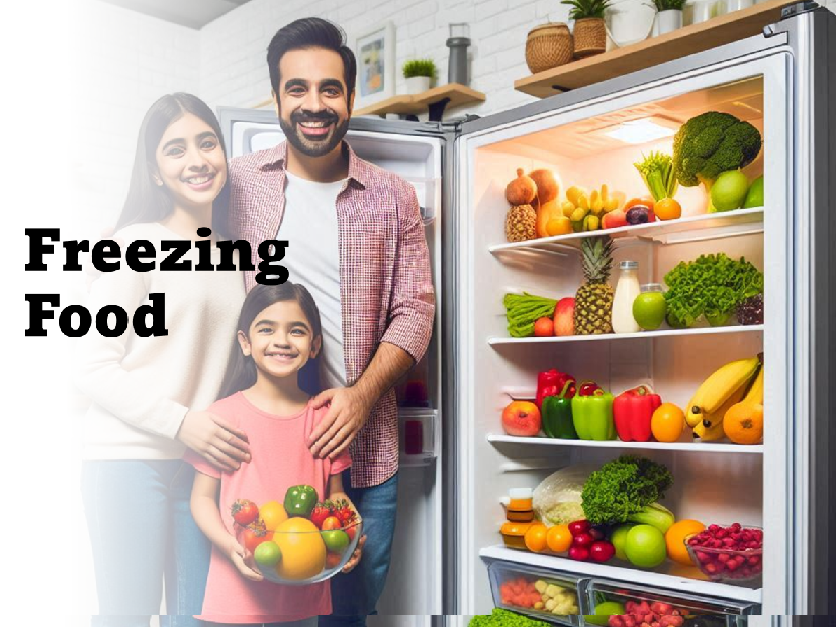
Freezing Food

Freezing is one of the simplest and most accessible methods of food preservation. By freezing fruits, vegetables, meats, and prepared meals.

In fact, you can store food for months or even years without losing much of its nutritional value.

To prevent freezer burn, vacuum sealing your food is highly recommended. This not only extends the life of your frozen goods but also ensures they maintain their flavor and texture.

Foods like berries, soups, and meats freeze particularly well.

However, it’s important to know how to properly prepare and package these foods before freezing to prevent issues like freezer burn or loss of quality.

For instance, blanching vegetables before freezing them helps preserve their color and nutritional content.

Drying Food

Drying, or dehydrating food, removes moisture to prevent the growth of bacteria and mold.

This method is excellent for preserving fruits, vegetables, and meats like jerky. You can use a food dehydrator or a conventional oven set to a low temperature to dry foods.

Dried fruits and vegetables make for great snacks or ingredients in soups and stews. Dried herbs are another valuable item to store for long-term use, maintaining their flavor and potency for months.

When stored properly in airtight containers, dehydrated foods can last for years, making this method a top choice for long-term storage.

 

food preservation

Preserving Food with Smoking and Curing
food preservation

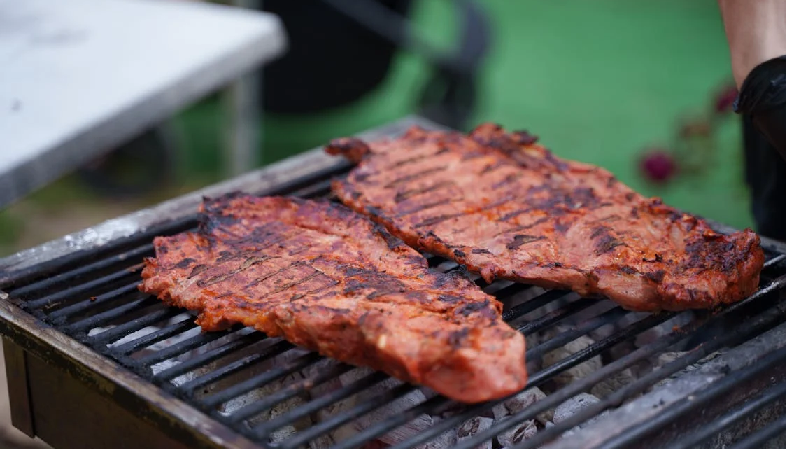
Smoking and curing meats have long been used to extend the shelf life of perishable items.

These methods involve using salt, sugar, or smoke to preserve and enhance the flavor of meats and fish.

Smoking helps preserve meat and adds a rich, savory flavor that many people enjoy. For long-term storage, meat can be smoked and then vacuum sealed or stored in a cool, dry place.

Curing meat with salt, known as dry curing, draws out moisture and prevents bacteria growth.

This allows the meat to be stored for long periods without refrigeration, making it ideal for those who want to preserve meat for months or even years.

The Role of Vacuum Sealing in Food Preservation

food preservation, gourmet food online

Vacuum sealing is a modern food preservation technique that complements other methods like freezing, drying, and smoking.

Vacuum sealing significantly reduces the risk of mold and bacterial growth by removing air from the packaging, helping food last longer.

This method is especially effective when used with freezing, as it prevents freezer burn.

Vacuum sealing can also be used for dried foods, ensuring they stay fresh and crisp.

For those serious about long-term food storage, investing in a vacuum sealer is a great way to protect your food from spoilage.

food preservation

Fermenting Food

Fermentation is an ancient food preservation technique that not only extends the shelf life of certain foods but also enhances their nutritional profile.

Foods like sauerkraut, kimchi, and pickles are all made through the fermentation process.

The good bacteria that develop during fermentation create natural preservatives, which make these foods both nutritious and long-lasting.

Fermenting vegetables is a simple and cost-effective way to preserve your garden’s bounty.

Fermented foods also offer health benefits, such as improving gut health due to their probiotic content.

Fermentation requires just a few ingredients, typically salt, water, and the food itself, making it accessible for anyone interested in DIY food preservation.

Food Preservation for Long-Term Storage

Combining different preservation methods is often the best approach for those looking to store food long-term.

For example, dried and vacuum-sealed fruits can last years, while home-canned vegetables provide a reliable, nutritious food supply.

Root cellars offer another low-tech solution for storing root vegetables, allowing them to remain fresh throughout winter without refrigeration.

Proper storage is key to maintaining the quality and safety of preserved foods.

Airtight containers, dark storage spaces, and consistent temperatures will help ensure your preserved food stays fresh for as long as possible.

Food Security Through Self-Sufficiency

Food preservation is not just a skill—it’s a safeguard against the uncertainties of modern life.

Whether you’re preserving food for emergency preparedness, to reduce waste, or simply to enjoy the fruits of your labor year-round, these techniques are invaluable.

By learning how to preserve food effectively, you can take control of your food security and build a buffer against times of scarcity.

Incorporating food preservation into your routine may seem daunting at first, but the rewards are substantial.

From reducing your reliance on grocery store supply chains to cutting down on food waste, preserving your own food is a step toward greater self-sufficiency and resilience in uncertain times.

Best Methods for Food Preservation: Food Security

Best Methods for Food Preservation: Food Security

Methods for food preservation can ensure your family’s food security during emergencies.

Because, food security becomes a top priority in an emergency.

Food preservation is key to preparing for natural disasters.

Also, long-term power outages, or simply building a sustainable lifestyle.

Preserved food ensures access to essential nutrients when fresh supplies are unavailable.

In this article, we’ll explore the best methods for food preservation.

Which can help you maintain a stable food supply.

As well as increase your self-reliance and keep your family well-fed in times of crisis.

Why These Methods for Food Preservation is Critical for Emergencies

Emergencies are often unpredictable.

And food supply chains can be disrupted due to various factors such as extreme weather, power failures, or transportation delays.

In these situations, having a stockpile of preserved food can provide:

methods for food preservation
  • Peace of mind: Knowing that you have enough food stored can ease anxiety during an emergency.
  • Nutritional stability: Preserved foods can help maintain a balanced diet, even when fresh produce or meat isn’t available.
  • Convenience: Many preserved foods are ready to eat or require minimal preparation, making them ideal for crises when resources like electricity or fuel may be limited.
  • Long shelf life: Properly preserved food can last months or even years, offering long-term security in uncertain times.

Methods for Food Preservation

Let’s dive into the most effective and popular methods of food preservation for emergencies.

Highlighting how each technique can be incorporated into your emergency preparedness plan.

1. Canning

Canning is one of the most reliable methods of food preservation for long-term storage.

In the first place, sealing food in airtight containers. And subjecting it to high temperatures.

As a result, harmful bacteria and microorganisms are destroyed. Allowing the food to remain safe and edible for years.

Types of Canning:

  • Water Bath Canning: Ideal for high-acid foods like fruits, tomatoes, jams, and pickles. It involves boiling jars of food in a large pot of water to create a vacuum seal.
  • Pressure Canning: Best for low-acid foods such as vegetables, meats, and soups. It requires a pressure canner to reach higher temperatures to kill bacteria.

Benefits:

  • Long shelf life: Canned foods can last for 1 to 5 years or more if stored properly.
  • Variety: Almost any food can be canned, including meats, vegetables, fruits, and even complete meals.
  • Nutritional value: Canning retains most of the food’s nutritional content.

Tips for Success:

  • Always follow safe canning guidelines to avoid the risk of botulism or spoilage.
  • Store canned foods in a cool, dark place to extend their shelf life.
  • Rotate your stock regularly to ensure you use older cans first.
dehydrating food

Dehydration Methods for Food Preservation

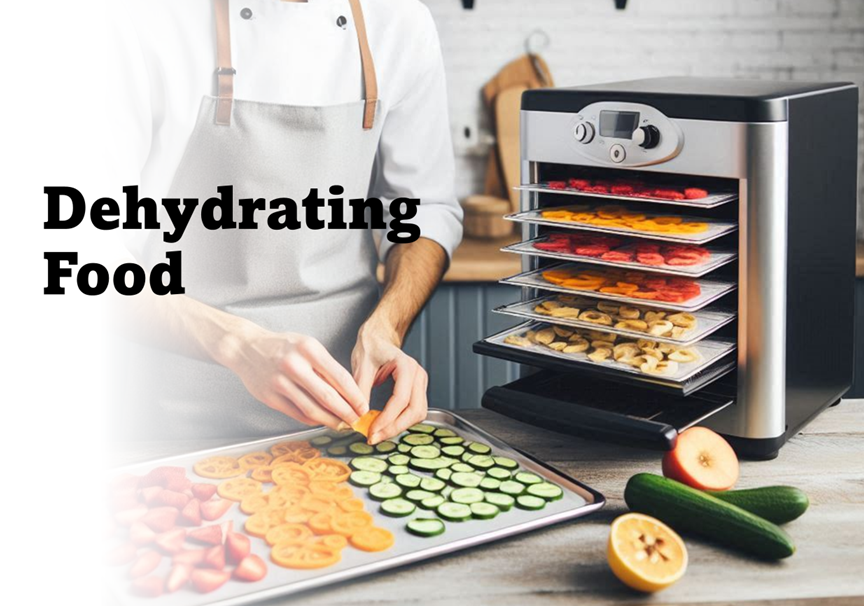
Dehydrating foods are ancient methods for food preservation that removes moisture, which is necessary for the growth of bacteria, mold, and yeast. Dried foods are lightweight, compact, and can last for a long time when stored correctly.

Types of Dehydration:

  • Air Drying: Hang or spread food in a dry, airy place to dehydrate naturally.
  • Sun Drying: Uses the sun’s heat to evaporate moisture. Works best in hot, dry climates.
  • Oven Drying: A low-heat oven can be used to dry food like fruits, vegetables, and herbs.
  • Electric Dehydrator: A specialized appliance that efficiently removes moisture from food.

Benefits:

  • Space-saving: Dehydrated foods take up less storage space compared to fresh or canned foods.
  • Nutrient retention: Properly dehydrated food retains a significant portion of its nutrients.
  • Portability: Dried foods are ideal for lightweight emergency kits or bug-out bags.

Tips for Success:

  • Store dehydrated food in airtight containers, preferably with an oxygen absorber, to keep it fresh.
  • Keep the food in a cool, dry place to maximize its shelf life.
  • Regularly inspect dried foods for any signs of moisture or spoilage.
method for food preservation

Freezing: Simplest Methods for Food Preservation

Freezing food halts the growth of bacteria and keeps food fresh for months or even years. It’s one of the simplest and most effective methods of food preservation, especially for meats, vegetables, and fruits.

Benefits:

  • Convenient: Frozen food requires little preparation and can be used directly from the freezer.
  • Versatile: Almost all types of food can be frozen, including cooked meals, fruits, vegetables, and dairy.
  • Nutrient retention: Freezing preserves the nutritional content of food better than most other methods.

Tips for Success:

  • Use freezer-safe containers or bags to prevent freezer burn and extend shelf life.
  • Label your frozen items with the date to make sure you use older food first.
  • In the event of a power outage, keep the freezer closed to maintain the temperature and preserve your food for as long as possible.

Fermentation: Methods for Food Preservation

Fermentation is a natural preservation process that involves converting sugars in food into alcohol or acid through the action of beneficial bacteria. This method has been used for centuries to preserve a wide variety of foods, including vegetables, dairy, and grains.

Benefits:

  • Probiotics: Fermented foods like sauerkraut, kimchi, and yogurt contain beneficial bacteria that support gut health.
  • Enhanced flavor: Fermentation adds a tangy, rich flavor to foods.
  • Nutrient preservation: Fermented foods retain their vitamins and minerals while becoming easier to digest.

Tips for Success:

  • Ferment in a clean, controlled environment to avoid contamination.
  • Store fermented foods in cool places like cellars or refrigerators to extend their shelf life.
  • Regularly check for signs of spoilage or mold.

Freeze-Drying: Methods For Food Preservation

Freeze-drying is an advanced preservation method that removes moisture from food while retaining its texture, flavor, and nutritional value. This method is particularly useful for preserving fruits, vegetables, and complete meals.

Benefits:

  • Extremely long shelf life: Freeze-dried foods can last up to 25 years when stored properly.
  • Lightweight: Freeze-dried foods are great for emergency kits, as they’re lightweight and easy to carry.
  • Preserves taste and texture: Unlike other drying methods, freeze-drying maintains the food’s original texture and flavor when rehydrated.

Tips for Success:

  • Freeze-dried foods should be stored in airtight containers with oxygen absorbers.
  • Store in a cool, dry environment to maximize shelf life.
  • Purchase or invest in a home freeze-dryer for long-term preparedness.

Smoking: Methods for Food Preservation

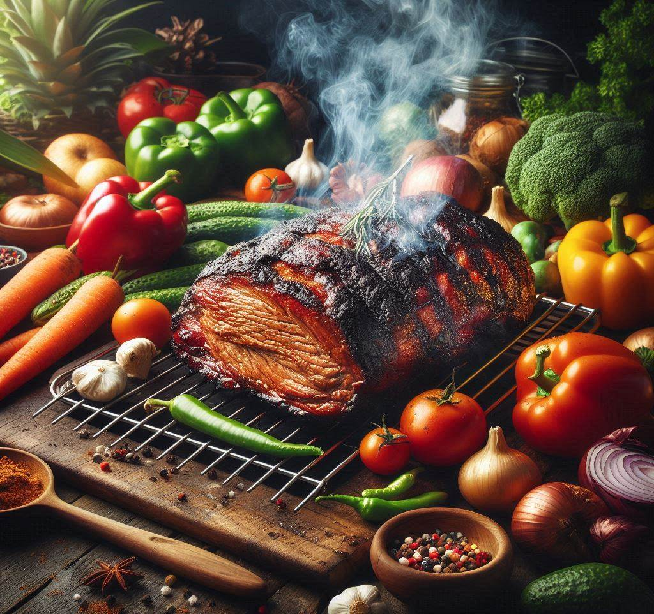
Smoking is a traditional method of food preservation that involves exposing food to smoke from burning wood, which dehydrates the food and adds a rich, smoky flavor. It’s commonly used for meats and fish.

smoking brisket, method for food preservation

Benefits:

  • Enhanced flavor: Smoking imparts a unique, delicious flavor to meats.
  • Preserves protein: This method is ideal for preserving high-protein survival foods like fish and meats.
  • Long shelf life: Smoked meats can last for months if stored in the right conditions.

Tips for Success:

  • Ensure the food is fully dried or smoked to prevent spoilage.
  • Store smoked food in a cool, dark place, and vacuum-seal it if possible.
  • Keep smoked meats refrigerated or frozen for long-term storage.

Vacuum Sealing: Methods for Food Preservation

Vacuum sealing removes air from packaging to extend the shelf life of stored food. By preventing exposure to oxygen, it helps keep foods fresher for longer and can be used alongside other preservation methods like freezing, canning, or drying.

Benefits:

  • Prevents spoilage: Vacuum-sealed food stays fresh longer by limiting exposure to air and moisture.
  • Space-efficient: Vacuum-sealed bags take up less room in storage.
  • Versatile: Can be used to store both dry goods (like grains and pasta) and perishables (like meats and vegetables).

Tips for Success:

  • Store vacuum-sealed items in cool, dry conditions to prolong freshness.
  • Pair vacuum sealing with other preservation methods, such as freezing or drying, for the best results.
  • Label and rotate your stock to ensure nothing goes bad before you use it.

Conclusion: Preparing for Food Security in Emergencies

By mastering the best methods for food preservation, you can ensure your family’s food security during emergencies, whether it’s a short-term power outage or a long-term disaster.

Combining techniques like canning, dehydration, freezing, and vacuum sealingwill help you build a diverse and reliable food supply that’s ready for any situation.

Remember, food preservation not only helps in emergencies—it’s also a smart way to reduce waste, save money, and live more sustainably.

Now is the time to start preserving your food and securing your family’s future in uncertain times.

F65158EFB2A6F5D2B1849FF9351EFD34