
Unlock the Power of Email Automation: Revolutionize Marketing Strategy
Unlock the Power of Email Automation: Revolutionize Your Marketing Strategy.
Email automation has revolutionized the way businesses interact with their customers.
It allows companies to send targeted and personalized messages.
Above all to their subscribers at the right time.
For this reason, saving time and resources.
While also increasing customer engagement and retention.
In this article, we will discuss the importance of email automation.
And how to implement it to revolutionize your marketing strategy.

Benefits of Email Automation – Saving Time and Resources
One of the biggest benefits of email automation is the ability to save time and resources.
With automated emails, you can create a series of emails.
That are sent to subscribers based on their actions or behaviors.
In other words, you can set up a welcome email series.
Also, abandoned cart emails, and other campaigns that run automatically.
Without the need for manual intervention.

Personalized Communication with Customers with Email Automation
Email automation also enables businesses to send personalized messages to their customers.
By collecting data on subscriber behavior and preferences.
Again, businesses can create targeted and personalized campaigns.
Which are more likely to resonate with their audience.
This can lead to increased engagement and higher conversion rates.
Increased Conversion Rates with Email Automation
Email automation can also lead to increased conversion rates.
By sending targeted and personalized messages.
For this reason, businesses can provide their subscribers with relevant content.
As well as offers that are more likely to convert.
Additionally, automated emails can be triggered at the right time.
Such as after a subscriber has abandoned their cart or completed a purchase.
In fact, increasing the likelihood of a conversion.

Email Automation: Improved Customer Engagement and Retention
Finally, email automation can help improve customer engagement and retention.
By sending personalized and relevant messages.
So, businesses can keep their subscribers engaged.
And interested in their brand.
This can lead to increased customer loyalty and repeat purchases.
Types of Email Automation
There are several types of email automation campaigns.
That businesses can use to engage with their subscribers.
Some of the most common types include:
Welcome Emails with Automation
Welcome emails are sent to new subscribers and can be used to introduce your brand and provide subscribers with relevant information and resources.

Abandoned Cart Emails with Email Automation
Abandoned cart emails are sent to subscribers who have added items to their cart but haven’t completed their purchase.
These emails can be used to remind subscribers of their abandoned items and encourage them to complete their purchase.
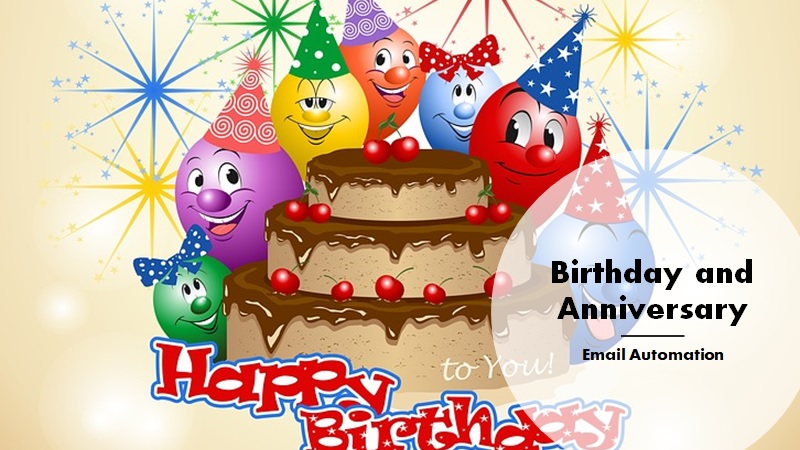
Birthday and Anniversary Email Automation
Birthday and anniversary emails are a great way to show your subscribers that you care about them.
Re-engagement Emails with Email Automation
Re-engagement emails are sent to subscribers who haven’t engaged with your brand in a while.
These emails can be used to remind subscribers of your brand.
Encourage them to act.
Such as making a purchase or updating their preferences.

EmailAutomation:
Upsell/Cross-sell Emails
Upsell/cross-sell emails are sent to subscribers who have made a purchase.
And can be used to recommend related or complementary products.
These emails can help increase the average order value and encourage repeat purchases.
Key Components of Successful Email Automation
To create successful email automation campaigns, there are several key components that businesses need to consider:

Relevant Content and Messaging with Email Automation
Emails should provide subscribers with relevant and valuable content that resonates with their interests and needs. Additionally, messaging should be clear, concise, and on-brand.
Effective Subject Lines of Email Automation
Subject lines should be attention-grabbing and concise, providing subscribers with a reason to open the email.

Segmentation and Targeting with Email Automation
Segmentation and targeting are essential for creating personalized and relevant campaigns. By segmenting subscribers based on behavior, preferences, and demographics, businesses can send targeted messages that are more likely to resonate with their audience.
Timing and Frequency with Email Automation
The timing and frequency of emails are important for ensuring that subscribers don’t feel overwhelmed or bombarded with messages. Emails should be sent at the right time and frequency to ensure that they are opened and engaged with.
Call to Action (CTA) with Email Automation
Finally, emails should include a clear and compelling call to action.
Similarly, that encourages subscribers to take action.
Such as making a purchase or clicking through to a landing page.
Steps to Implement Email Automation
To implement email automation, businesses should follow these steps:

Define Goals and Objectives
Certainly, before implementing email automation, businesses should define their goals and aims. Hence, this includes finding the types of campaigns they want to run. Also, the metrics they want to track, and the audience they want to target.
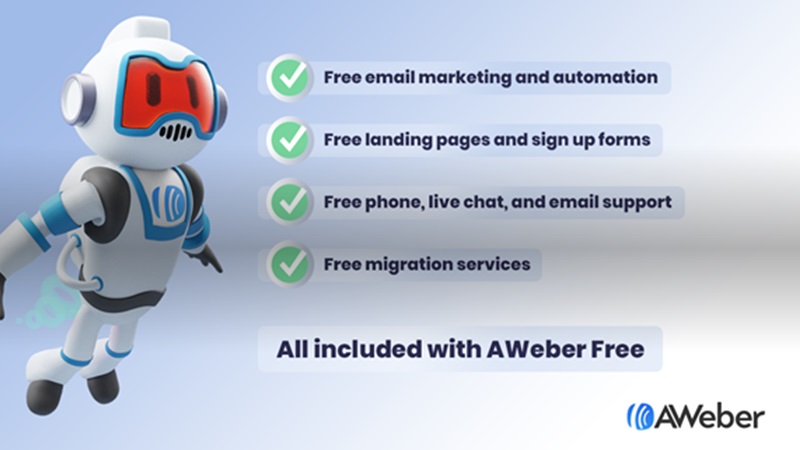
Choose an Email Automation Software
Of course, there are several email automation software options available. Furthermore, each with its own features and capabilities. So, businesses should choose a software that meets their needs and budget.
Build Email Lists and Segments
Email lists should be built by collecting subscriber information. In fact, through website opt-ins, social media, and other channels. Additionally, lists should be segmented based on behavior and preferences. And demographics to ensure that campaigns are targeted and personalized.
Create Email Templates and Campaigns
Email templates and campaigns should be created to ensure that messaging is consistent and on-brand. Because, campaigns should be designed to meet specific goals. And objectives and should be optimized for mobile devices.
Test and Optimize Email Automation Campaigns
Finally, email campaigns should be tested and optimized to ensure that they are effective. Maybe include tracking metrics such as open rates and click-through rates. Also, conversion rates and adjusting as needed.
Best Practices for Email Automation
To ensure that email automation campaigns are effective, businesses should follow these best practices:
Maintain Brand Consistency
Emails should be consistent with a business’s brand, including messaging, tone, and design.

Be Clear and Concise
Emails should be clear and concise. In that case, providing subscribers with the information they need in a straightforward manner.

Optimize for Mobile Devices
Emails should be perfected for mobile devices.
In brief, ensuring that they are easy to read and engage with on smaller screens.
Personalize Email Automation for Content
Emails should be personalized based on subscriber behavior.
Like preferences, and demographics to ensure that they are relevant and engaging.

Measure and Analyze Results
Finally, businesses should measure the results of their email automation campaigns. For this reason, analyze the data to make improvements.
This includes tracking metrics such as open rates.
Also click-through rates, and conversion rates.
Furthermore, using that information to perfect future campaigns.
Conclusion of Email Automation
Email automation can be a powerful tool for businesses.
Especially, looking to improve their marketing strategy.
By using automation to send targeted, personalized messages to subscribers.
In fact, businesses can improve engagement and drive sales.
However, to be successful, email automation campaigns must be carefully planned and executed.
For the most part, with a focus on relevant content.
After all, effective subject lines, segmentation and targeting.
Again, timing and frequency, and clear calls to action.
By following best practices and continually testing and perfecting campaigns.
Businesses can unlock the power of email automation and revolutionize their marketing strategy.