

SEO Trends: 20 Up-and-Coming Trends for Better Search Results
SEO Trends: Changing How We Search
SEO trends are crucial for businesses wanting to stand out.
Keeping up with the latest is especially important in the fast-moving world of digital marketing.
As search engines change and how people search online shifts, companies need to change their strategies to get to the top of search results.
This guide looks at 20 new SEO trends that are changing how visible businesses are online and giving them chances to attract more visitors to their websites.
Revolutionizing Search: 20 New SEO Trends for Better Results
In the ever-changing world of search engine optimization (SEO), staying ahead is important for businesses wanting to be at the top of search results.
As technology gets better and how people search changes, new trends come up, changing how websites are found online.
In this guide, we’ll look at 20 new SEO trends that are changing search and giving businesses chances to be more visible online and get more people to visit their websites.

-
SEO Trends with Voice Search Optimization: Making Friends with Voice Assistants
Voice search optimization is a rapidly growing aspect of SEO.
It is essential for websites and businesses aiming to reach users who rely on voice-enabled devices like smartphones, smart speakers (like Amazon’s Alexa, Google Home, and Apple’s Siri), and other voice-assisted technologies.
As more people use voice searches to find information, optimizing for this medium can make your content accessible to a broader audience and help you rank higher in search results.
Here’s how you can approach voice search optimization:
- Focus on Conversational Language
Natural Language Queries: Voice searches are typically phrased as questions or conversational phrases, unlike the concise keywords typed into search engines. People tend to use complete sentences and natural language, so creating content that answers questions as if you’re conversing with the user is essential.
Long-Tail Keywords and Phrases: Use long-tail keywords and specific phrases that mimic how people speak.
For example, instead of targeting “weight loss smoothies,” optimize for words like “What are the best weight loss smoothies?” or “How can I make a smoothie to help me lose weight?”
- Answer Common Questions Clearly and Concisely
Structured Data and FAQs: Including an FAQ section is highly beneficial.
Answer questions clearly and concisely, as voice assistants often pull from these concise answers to provide quick responses.
Featured Snippets: Google often uses featured snippets as answers to voice searches.
Aim to structure your content to increase the likelihood of appearing as a featured snippet by summarizing answers in short, informative paragraphs.
- Improve Website Load Speed and Mobile Usability
Fast Loading Times: Voice searches are often conducted on mobile devices, so ensuring a fast website load time is crucial for retaining visitors who may otherwise leave if the page loads too slowly.
Mobile-Friendly Design: Optimize for mobile to ensure users accessing your content via voice search can navigate your site easily. Google prioritizes mobile-friendly pages, so this is essential.
- Use Schema Markup
Structured Data for Better Context: Schema markup helps search engines understand your content and make it more accessible for voice assistants.
For instance, using recipe markup for weight-loss smoothies makes it easier for voice assistants to find and read back your recipe.
Local SEO for Voice Searches: Many voice searches have local intent, like “Where can I buy weight loss smoothies near me?”
Adding location-based schema markup and optimizing Google My Business helps capture these local searches.
- Think About the “Who, What, Where, When, Why, and How.”
Answering All Forms of Questions: Users often begin their voice searches with one of these words.
Structuring your content to answer specific questions can improve your chance of ranking for these voice queries.
For example, you might create content around “What are healthy weight-loss foods?” or “How can I speed up my metabolism for weight loss?”
- Ensure a Secure Website
HTTPS for Trust and Security: Google favors secure (HTTPS) websites in rankings, extending to voice search.
A safe site builds trust with search engines and users, potentially improving your voice-activated search rankings.
- Enhance Local SEO Efforts
Voice Searches for Local Information: Many users ask location-specific questions like “weight loss clinics near me” or “smoothie shops open now.”
Optimizing your business for local SEO by maintaining an accurate and up-to-date Google My Business profile, using location-specific keywords, and collecting positive reviews can make your business more voice-search-friendly.
- Optimize for “Near Me” Searches
Capturing Local Intent: People using voice searches often look for nearby options.
If you’re a local business or can deliver services/products locally, optimizing for “near me” and related terms can effectively capture these search queries.
Voice search optimization will become increasingly essential as more people adopt voice-activated devices.
Staying ahead of these trends helps make your content accessible, especially in competitive areas like weight loss and health.
-
Mobile-First Indexing: Seo Trends Making Mobiles Matter Most
Google now looks at how websites work on mobiles first when deciding what to show in search results. To be at the top of search results, businesses need to make sure their websites work well on mobiles, load fast, look good, and are easy to use no matter what device you’re on.
-
Semantic Search with SEO Trends: Understanding What You Mean
Instead of just matching words, semantic search tries to understand what you’re really looking for. By making content that helps people find what they really want, businesses can do better in search results and get more people to visit their websites.
-
Featured Snippets: Being the Quick Answer
Featured snippets show up at the very top of search results and give short answers to questions. By making content that shows up in these snippets, businesses can be the first thing people see and get more people to visit their websites.
-
Video SEO: Using Videos to Get Noticed
More and more people are watching videos online, so making sure your videos show up in search results is important. By giving your videos good names, descriptions, and transcripts, more people will find them and watch them.
-
E-A-T: Being Expert, Trustworthy, and Credible
Google wants websites to have accurate information from good sources. By giving people the right info, using trusted sources, and showing you know your stuff, your website will do better in search results.
-
User Experience (UX) Signals: Making Websites Easy to Use
How people use your website affects how well you do in search results. By making your website easy to use and getting people to spend more time on it, you’ll do better in search results.
-
Core Web Vitals: Making Pages Work Well
Google looks at how well your website works when deciding what to show in search results. If your website works well and is easy to use, you’ll do better in search results.
If you have a shop or office, making sure people nearby can find you online is important. By making sure your business shows up in local searches and getting good reviews, more local people will find you.
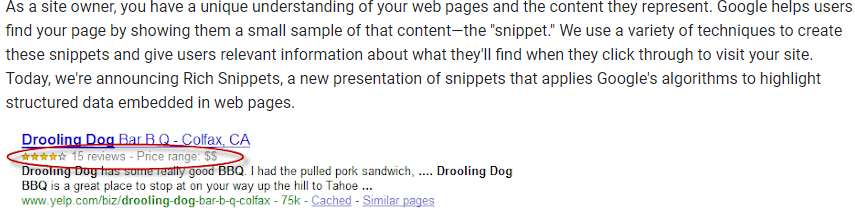
Structured data gives search engines more info about your website, so they can show more info in search results. By using structured data, your website will stand out more in search results.
-
AI and Machine Learning: Using Smart Tools
As search engines get smarter, using tools powered by AI can help you understand your customers better and do better in search results.
-
Content Quality and Relevance: Making Good Stuff People Want
Having good content that helps people is still the best way to do well in search results. By making content that people find useful and interesting, more people will visit your website.
-
Long-Form Content: Going Deep with SEO Trends
Long articles and guides often do well in search results. By making in-depth content about things people care about, more people will visit your website.
-
Social Media Integration: Using Social Media to Get Noticed
Being popular on social media can help you do better in search results. By sharing your website on social media, more people will visit it.
-
Zero-Click Searches: Being the Quick Answer
Sometimes people get all the info they need without even clicking on a website. By making content that shows up in these quick answers, more people will visit your website.
-
Brand SERP Management: Making Your Brand Look Good
Making sure your brand shows up well in search results is important for building trust. By managing what people see when they search for your brand, you’ll do better in search results.

Working with people who are popular online can help you reach new people and look more trustworthy. By working with the right influencers, more people will visit your website.
-
Niche Topic Clusters: Talking About One Thing Really Well
Focusing on one topic and making lots of content about it can help you do better in search results. By making lots of content about one topic, you’ll look like an expert and do better in search results.
-
Visual Search Optimization: Getting Noticed with Pictures
Making sure your pictures show up in search results can help you reach new people. By giving your pictures good names and descriptions, more people will find them and visit your website.
The world of search engines is always changing, so it’s important to keep learning. By keeping up with what’s new and trying new things, you’ll do better in search results.
Conclusion: 20 Up-and-Coming Trends for Better Search Results
In conclusion, mastering the latest SEO trends is key to unlocking unparalleled success in the digital realm. By embracing voice search optimization, prioritizing mobile-first indexing, and focusing on content quality and relevance, businesses can elevate their online visibility and reach new heights in search engine rankings. Don’t miss out on the opportunity to revolutionize your SEO strategy and dominate the competitive search landscape.